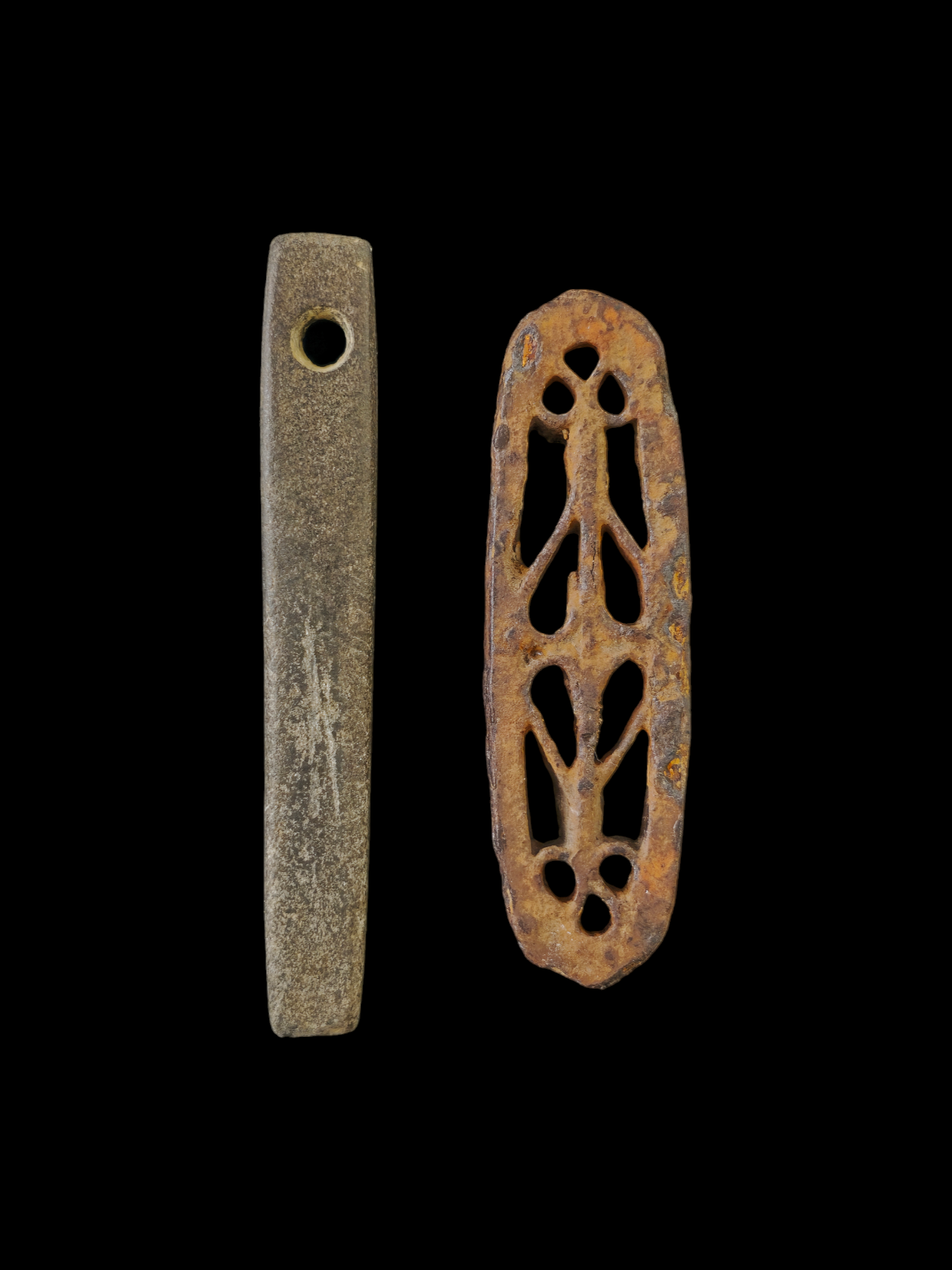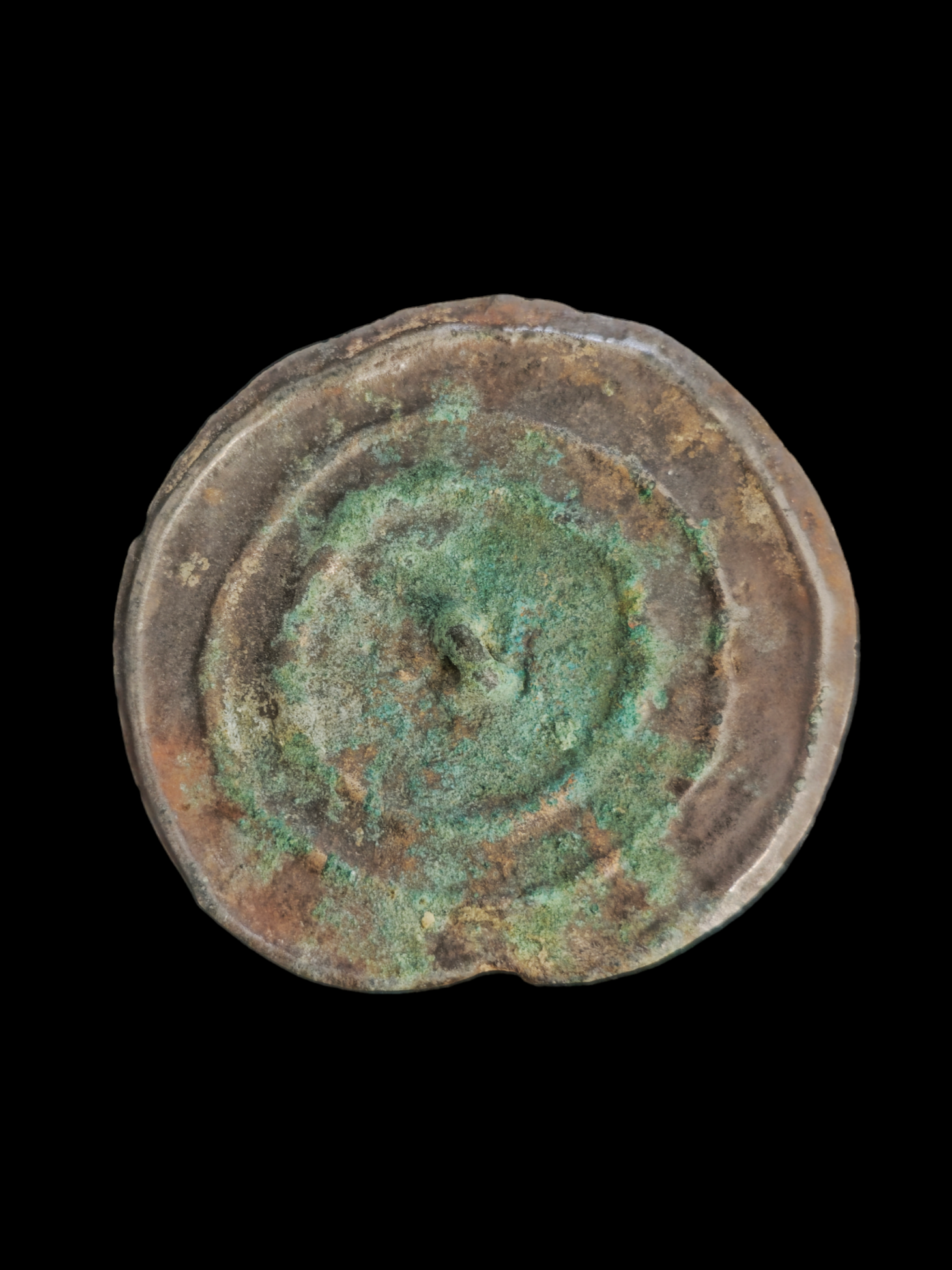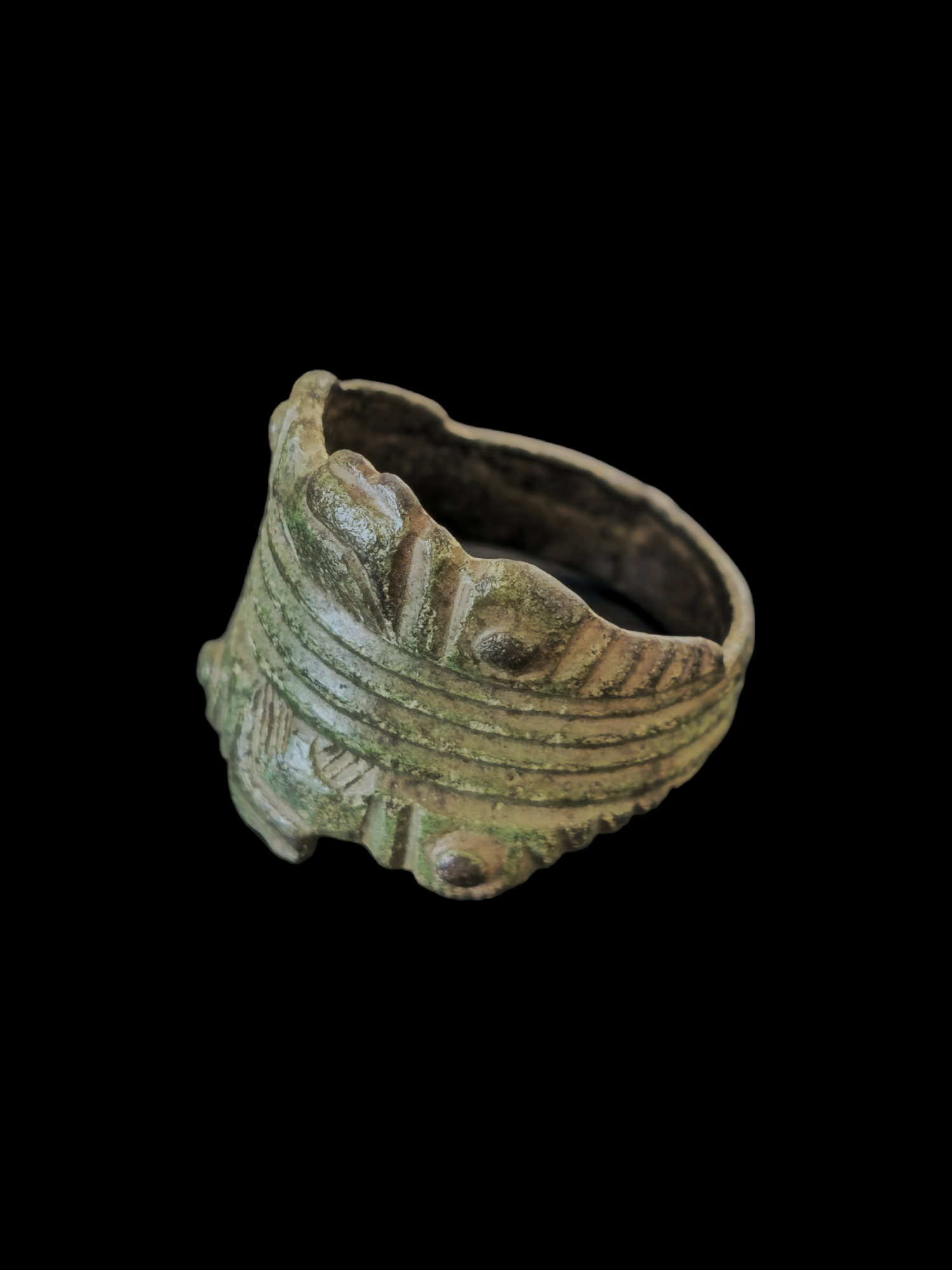

There is a particular kind of hesitation that afflicts the would-be collector standing in front of a display case for the first time. The objects are beautiful, the history is real, the desire is genuine — and yet something holds them back. Too much knowledge seems to be required; too many pitfalls seem to lurk; the fear of making an expensive mistake outweighs the pleasure of acquiring something extraordinary. We have seen this hesitation many times, and our response is always the same: begin where you are, with what moves you, and let the knowledge accumulate naturally around the objects you love.
Start With Feeling, Not Theory
The single most important principle for a first-time buyer is deceptively simple: buy what you connect with. This is not a counsel of ignorance — you should understand what you are buying, and we will return to that — but it is a reminder that the primary purpose of a collection is the daily, lived experience of living with extraordinary things. A Roman bronze fibula that catches the light on your desk every morning will teach you more about the ancient world than a dozen books, precisely because it is yours, because you chose it, and because you return to it.
Many new collectors make the mistake of buying what they think they ought to want, or what seems most impressive on paper, rather than what genuinely moves them. The result is a collection that feels curated for an imaginary audience rather than lived in. We would rather sell you a small, perfect object that you will treasure for decades than an impressive rarity that leaves you slightly cold.
Condition and Authenticity First
If feeling is the starting point, authenticity is the non-negotiable foundation. A genuine object of modest quality is worth infinitely more than an impressive-looking fake, and the first task of any new collector is to learn to insist on the former. This sounds obvious, but the market contains material of uncertain attribution, and not every seller is scrupulous. Buying from an established dealer who stands behind what they sell, who provides documentation, and whose reputation depends on accuracy is the most reliable protection available to a newcomer.
Condition is a secondary but important consideration. Ancient objects are, by definition, survivors — they have endured centuries or millennia of burial, recovery, and handling, and most will show some evidence of that journey. Light wear, stable patina, minor old repairs: these are the marks of authenticity and age, not defects to be alarmed by. What you want to avoid is significant structural damage that affects the integrity of the piece, or restoration so extensive that little of the original surface remains. A reputable dealer will describe condition honestly and will not dress up a damaged object as a perfect one.
A small thing that is genuinely ancient — a clasp, a bead, a coin worn smooth by Roman fingers — carries more weight in the hand than any reproduction ever could.
Why Small Bronzes, Coins, and Medieval Objects Make Ideal First Pieces
For a first acquisition, certain categories present themselves as particularly well suited. Small cast bronzes — Roman fibulae, Viking dress-pins, Medieval pilgrim badges — are robust, visually immediate, well-studied, and available across a wide range of budgets. They are the kind of objects that have been collected since the Renaissance, which means that the scholarship surrounding them is rich and that comparable examples can be found in public museums, making authentication more straightforward than it is for rarer categories.
Ancient coins occupy a similar position. They are among the most extensively documented of all ancient objects; entire reference libraries are dedicated to their cataloguing, and a coin that can be matched to a published type is a coin whose authenticity can be assessed with a reasonable degree of confidence. They are also among the most accessible entry points in terms of price, with genuine examples available from modest sums upwards.
Viking and early Medieval objects have the additional advantage of falling within a cultural tradition that many collectors find immediately accessible — the imagery, the craftsmanship, the historical context are close enough to feel familiar, even while the objects themselves retain an undeniable strangeness and power.
Setting a Budget
One of the reassuring truths about collecting antiquities is that genuine ancient objects are available at almost every price point. We would encourage a first-time buyer to decide on a budget before visiting a dealer or browsing a catalogue, not because budget is the most important factor, but because a clear limit focuses the mind and prevents the kind of over-extended impulse purchase that leads to regret. Whatever your budget, we would recommend spending it on one excellent, well-documented piece rather than several objects of uncertain history or mediocre quality. In collecting, as in so many things, depth is more satisfying than breadth — at least at the beginning.
The Dealer Relationship
A good dealer is not simply a vendor but a resource. The house from which you buy your first piece should be willing to answer your questions — about the object, its history, its context, its care — and should be genuinely interested in helping you develop as a collector rather than simply completing a transaction. We encourage every new buyer to ask as many questions as they like; we have never yet found a question about an ancient object that was not worth answering. The relationship between a collector and a trusted dealer is one that, at its best, extends across many years and many acquisitions, deepening in understanding on both sides. It begins, as most lasting things do, with a single, carefully chosen object — and the courage to pick it up.