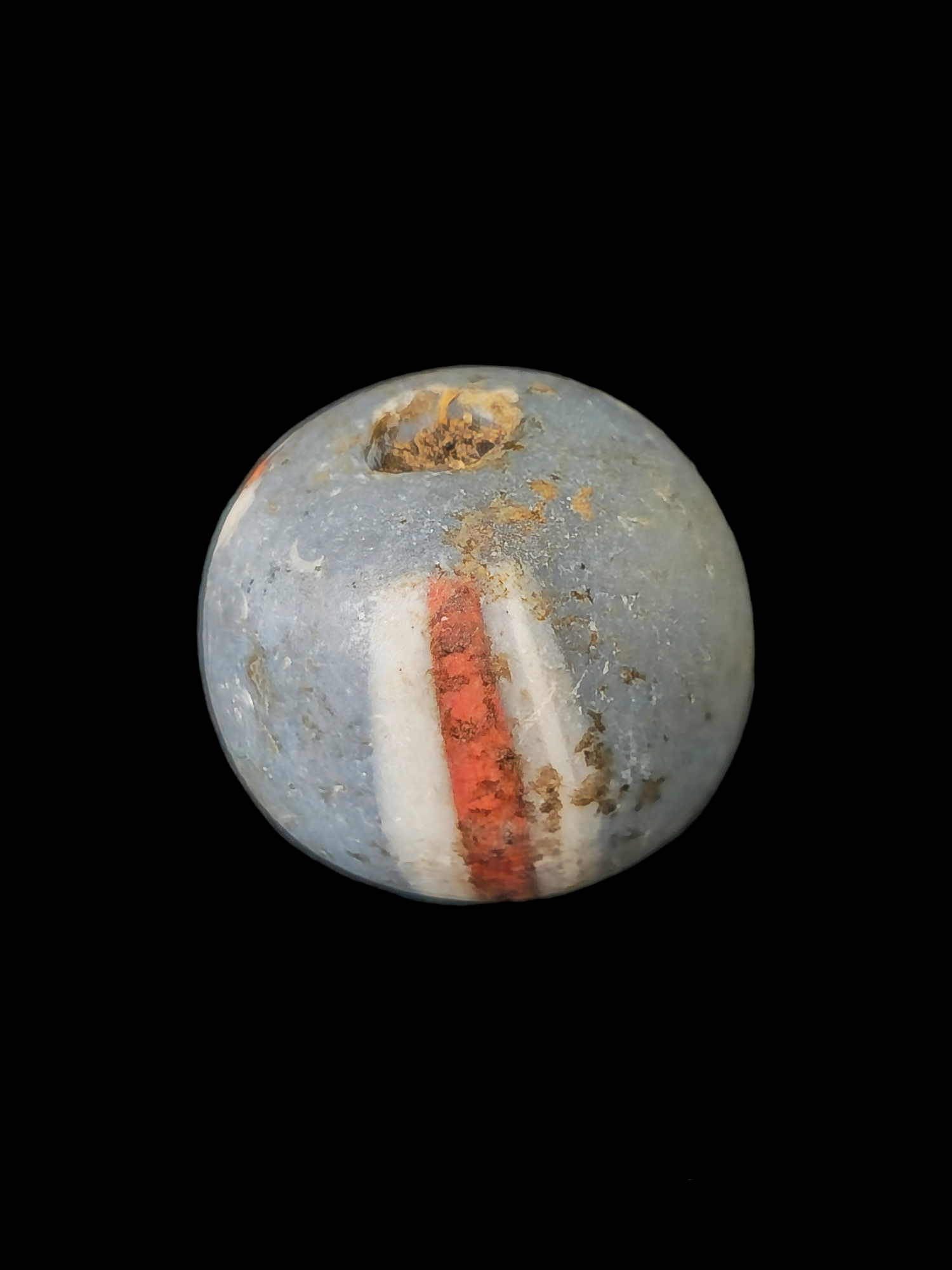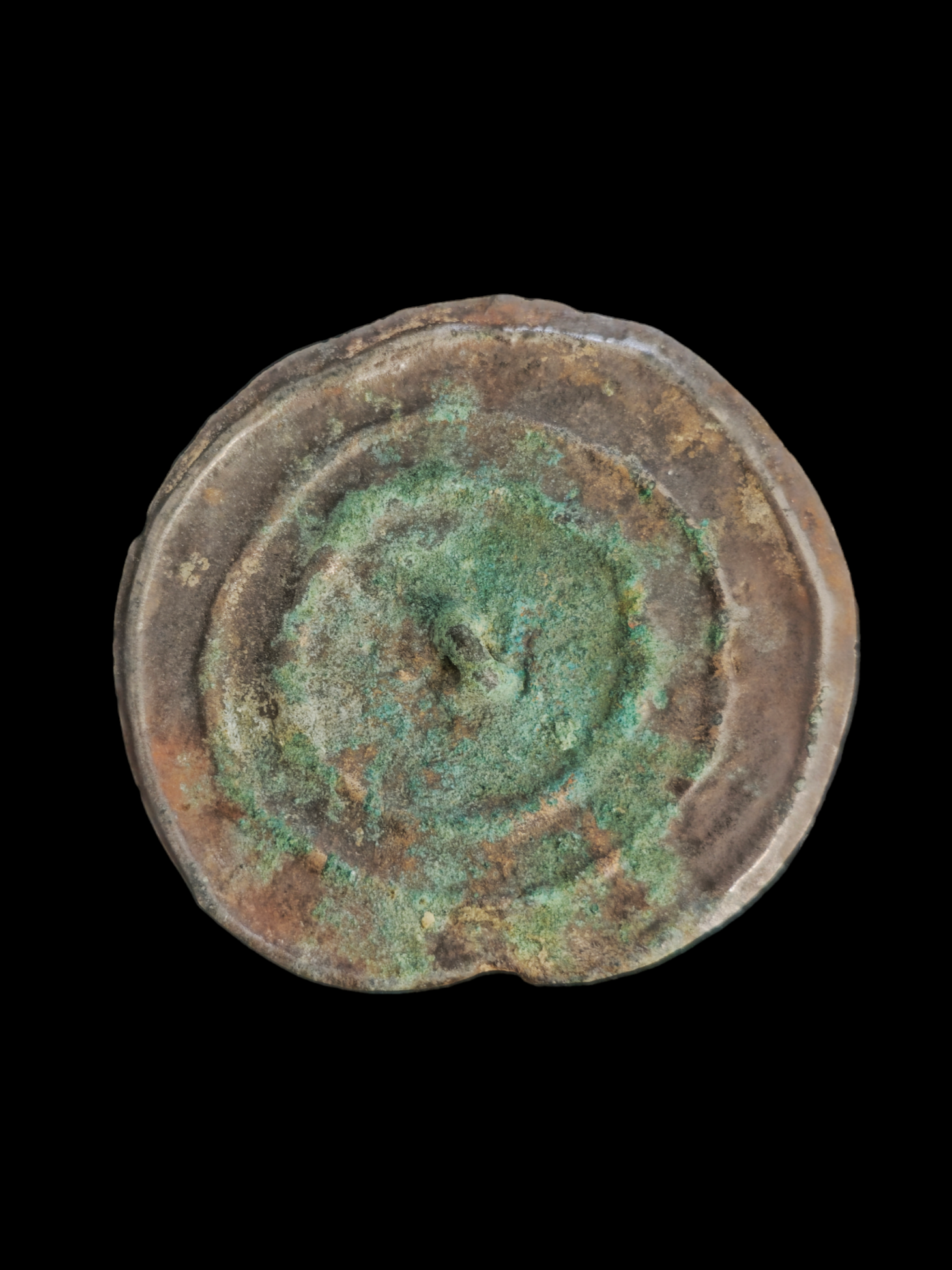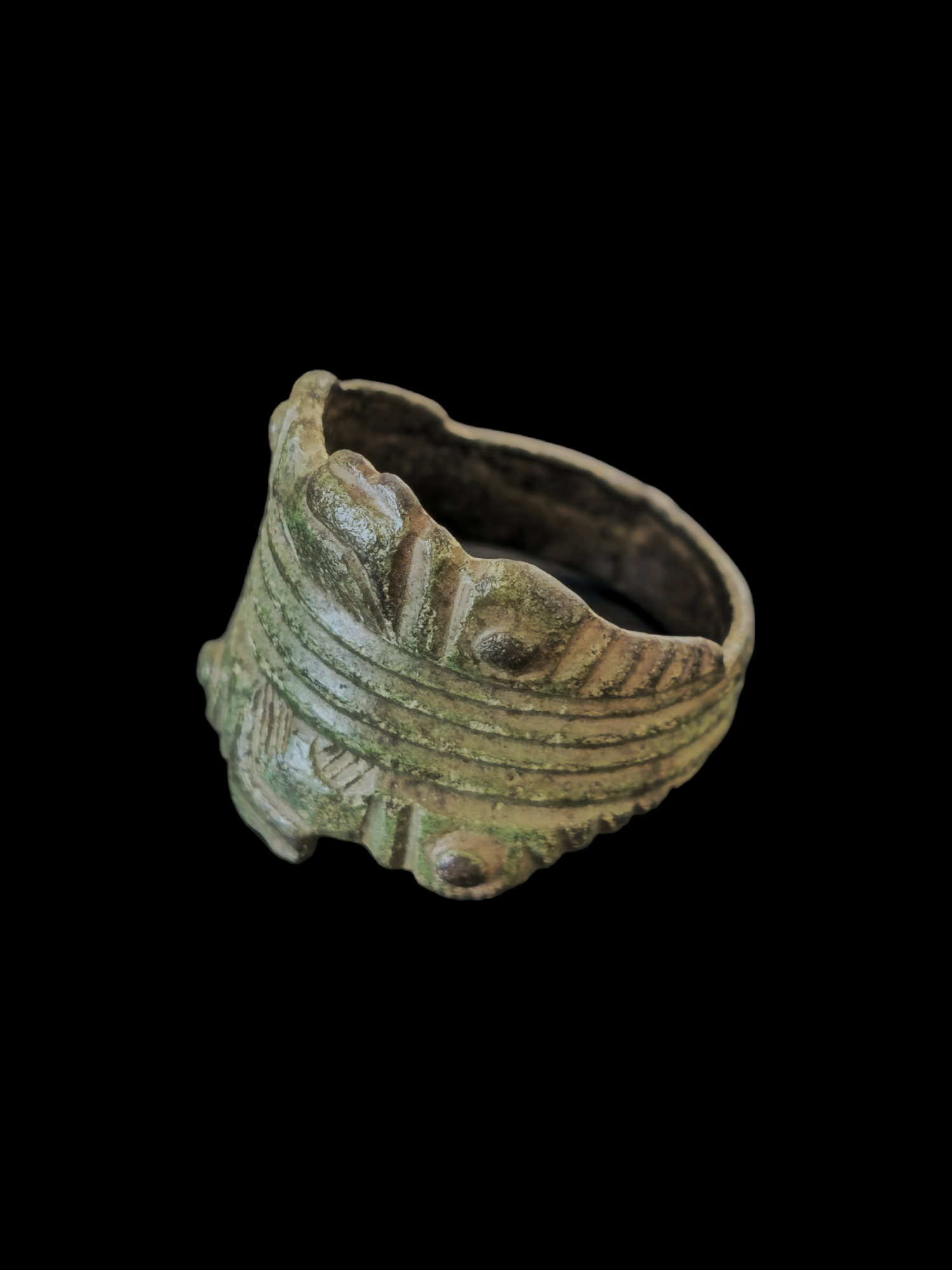

Perhaps the most persistent misconception about collecting antiquities is that it requires the resources of a museum or the confidence of a seasoned specialist. In reality, the market for genuine ancient objects is remarkably broad, and a modest but considered budget can acquire something that will outlast any contemporary luxury purchase — both in physical durability and in depth of meaning. We write this not as a sales pitch but as a simple statement of what the market actually contains, because we have watched too many people talk themselves out of a collection they would have loved on the mistaken grounds that it was not for them.
What the Lower End of the Market Actually Holds
The antiquities market is frequently discussed in terms of its upper reaches — the exceptional Greek vase, the monumental Egyptian sculpture, the famous coin from a celebrated hoard. These pieces make headlines precisely because they are exceptional. But the overwhelming majority of ancient objects that change hands every year are modest in scale, moderate in price, and no less authentic for either of those qualities. A Roman glass unguentarium, iridescent with age. An Egyptian faience amulet in the form of a seated cat. A Bronze Age bead of carnelian or lapis lazuli. A Viking silver arm-ring fragment. An Iron Age terracotta votive figure. These are not consolation prizes for collectors who cannot afford the masterworks; they are the substance of the ancient world, the everyday objects that tell us most reliably how people actually lived.
In general terms — and we stress that prices vary with condition, documentation, rarity, and the vagaries of the market — genuine ancient objects begin at sums that many collectors find surprisingly accessible. A well-documented Roman bronze coin, a faience bead with excavation-era collection history, a small terracotta oil lamp: these categories regularly appear at price points that compare favourably with contemporary craft, fine books, or a modest piece of modern jewellery. We are deliberately imprecise here because no honest dealer will guarantee prices, and the market moves; but the principle holds.
Small and Real Beats Large and Dubious
This is perhaps the most important rule for the budget-conscious collector, and it applies at every price point: always prefer a small, authentic, well-documented object to a larger or more impressive one whose history is unclear. The temptation to stretch towards something grander — something that looks more dramatic on a shelf, something that sounds more impressive in description — is understandable, but it almost always leads to regret. An object of uncertain attribution or murky provenance is not a bargain at any price; it is a liability, both financially and ethically.
A genuine Roman bead, held in the hand, carries two thousand years of human touch — and no reproduction on earth, however large or handsome, can say the same.
The corollary of this rule is that the budget collector should become very good at the smaller, less glamorous categories. Beads, coins, amulets, small bronze fittings, pottery sherds with painted decoration — these categories are well-studied, plentifully documented, and less susceptible to faking than more spectacular object types. The scholarly literature on Roman coinage, for example, is so comprehensive that a knowledgeable buyer can assess an example with a high degree of confidence. The same is true of Egyptian faience, of ancient glass, of Bronze Age jewellery. These are fields in which knowledge is genuinely accessible, and in which a careful buyer with modest resources can build something admirable.
The Virtues of Building Slowly
One of the most satisfying ways to collect on a budget is to build a collection around a theme — a single culture, a single material, a single period — acquiring pieces one by one over an extended period. This approach has several advantages. It concentrates your research into a manageable area, so that you build genuine expertise relatively quickly. It produces a collection with internal coherence and narrative, which is ultimately more interesting — to you and to any visitor — than an eclectic assembly of unrelated objects. And it imposes a natural discipline on spending, because the framework of the collection itself guides decisions and moderates impulse.
A collection of Roman glass vessels, assembled over five years, will contain pieces acquired at various price points, and the whole will be considerably greater than the sum of its parts. A collection of Viking dress accessories, or Egyptian amulets spanning several dynasties, tells a story that no single object, however magnificent, could tell alone.
Practical Suggestions for Starting Out
For those who want practical guidance on where to begin at a modest budget, we would suggest the following categories as particularly rewarding starting points:
- Ancient coins, especially Roman provincial issues and Republican bronzes, where the scholarship is extensive and examples are plentiful.
- Egyptian faience amulets and shabtis, which are among the most accessible categories of Egyptian material and have been collected since the nineteenth century.
- Ancient glass — Roman unguentaria, small perfume flasks, beads — where iridescence and colour make even modest examples visually extraordinary.
- Small bronze fittings and fibulae from the Roman and early Medieval periods, robust, well-studied, and available across a wide price range.
- Terracotta oil lamps, which are among the most numerous surviving Roman objects and can be acquired in documented condition at very accessible prices.
Whatever category you choose, the principles remain constant: buy from a dealer who documents what they sell, ask questions until you are satisfied, and let the pleasure of the objects themselves guide the pace of acquisition. A collection built slowly and honestly is a collection that will only deepen in meaning with time — and that, in the end, is the only kind worth building.